12 October 2023
6 minutes read
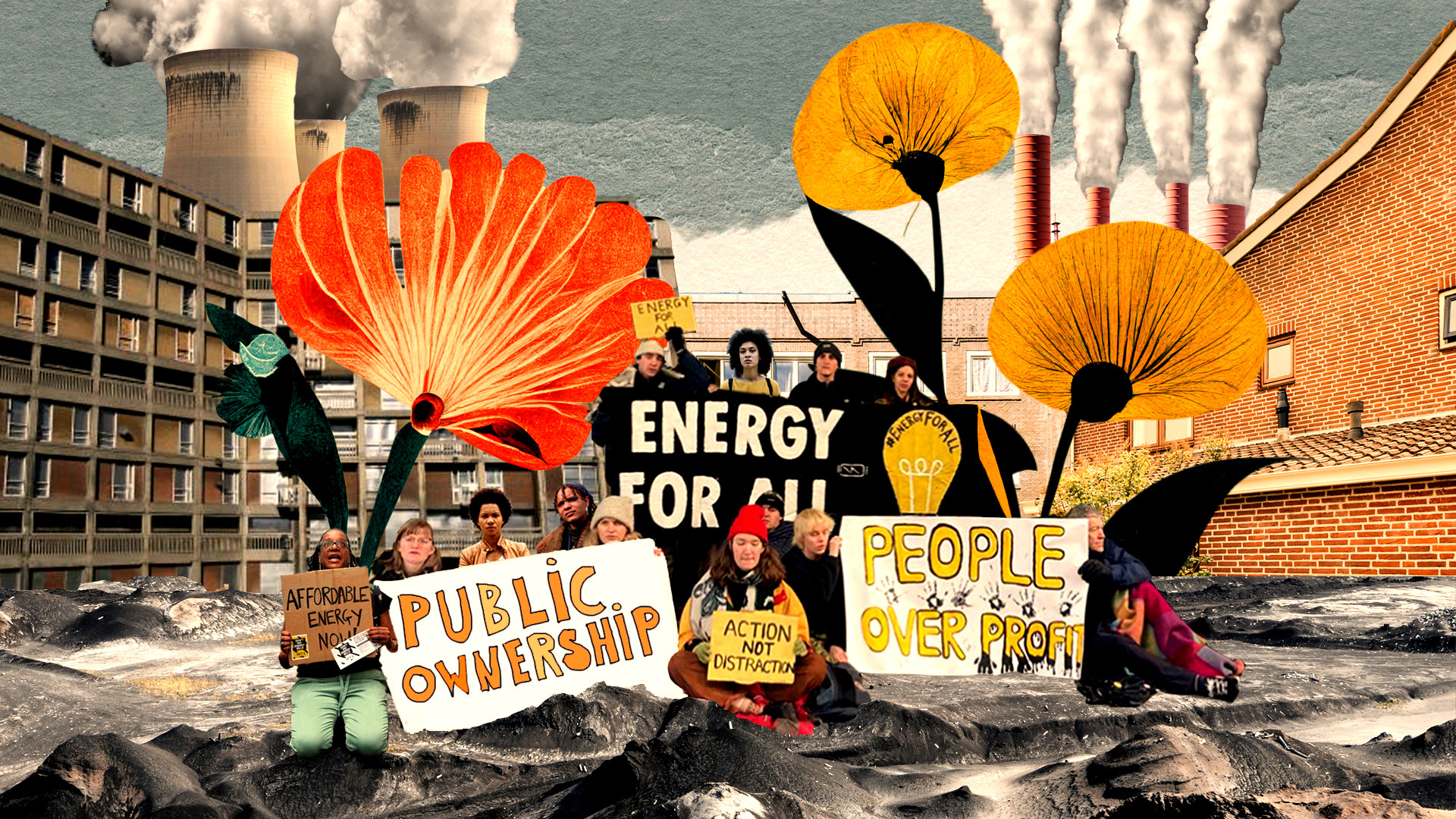
While the fragmented and liberalised energy market fails to meet the people’s basic needs, unions, activists, and some within the opposition Labour Party are putting forward proposals to restructure the country’s energy sector around public ownership, democratic governance and just transition.
Comments follow from AngloSwiss, representing my personal views on this matter.
The allocation of responsibility for this stupidity:
(Professor) Stephen Littlechild; even as late as 2014 he appears to have failed to grasp that his ideas were fatally flawed (link);
2. (Lord)
John Wakeham; totally incompetent and maybe corrupt, unlike (Lord) Nelson 200
years earlier he had no previous injury to use as an excuse for turning a blind
eye… (link);
3. (Lady)
Margaret Thatcher; whose enthusiasm for free markets might have worked for grocers’ market stalls in Narrow Westgate, Grantham, (link) but
not for an island nation with an unclear future for generating energy.
The real fatal flaw in my view is pretending (to themselves?) that removing all relevant regulation and control is “freedom”. To me, that’s like abolishing all laws preventing criminal activity, thereby removing freedom from crime from all (previously) law-abiding citizens. The effect on UK energy supply has been to encourage fly by night (presumably requiring lighting, therefore now crashing) cowboy companies springing up, supported by organisations like GoCompare whose only role is to spend loads of dosh promoting “switching”, from which the only benefit is to allow an otherwise out of work Welsh would-be Opera singer to air his skills to the general public. None of the companies involved (especially the switching sites) have any infrastructure on their balance sheets, so in a diminishing market they are worthless in every sense.
Most other countries have remained with public ownership for utilities, or mixed partnership owners. Here, the Swiss energy supply companies are usually at least part-owned by the Canton in which they are based, and have a monopoly of the delivery infrastructure, including an obligation to share electricity via a Federal organisation, Swissgrid, but with a nod to free markets, total freedom to bid for energy supply from anywhere, including internationally. Electricity generators based in Switzerland are commercial companies, subject to significant regulation, especially limiting pollution. That has resulted in stats (for 2020):
·
28 percent from hydroelectricity on rivers
·
29 percent from hydroelectric dams in the mountains
·
35 percent from nuclear power
·
6 percent from solar, wind and biomass
·
2 percent from fossil fuels
Swiss price increases for electricity are regulated, and for 2023 residents of most cantons paid between 25-30% more than 2022, self-generators saw their credits approximately double. Heating oil was a relatively common but fast declining source of home heating, the price curve has been extremely volatile and is not controlled by regulation. Gas heating had seen quite significant recent growth, like many EU countries influenced by Nordstream (link), again the prices are not regulated so quite volatile, but (luckily?) growth in heat pump systems has been the highest.


